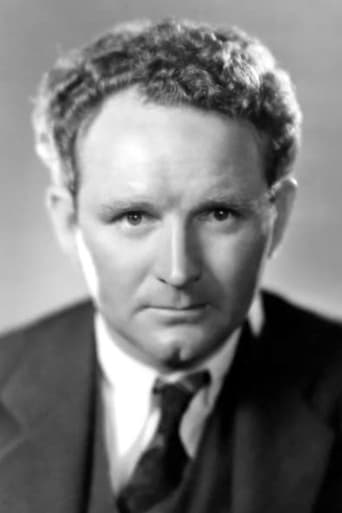
Frank Borzage
Directing
From Wikipedia, the free encyclopedia Frank Borzage (April 23, 1894 – June 19, 1962) was an Academy Award-winning American film director and actor, known for directing 7th Heaven (1927), Street Angel (1928), Bad Girl (1931), A Farewell to Arms (1932), Man's Castle (1933), History Is Made at Night (1937), The Mortal Storm (1940) and Moonrise (1948). In 1912 Borzage found employment as an actor in Hollywood; he continued to work as an actor until 1917. His directorial debut came in 1915 with the film The Pitch o' Chance. He was a successful director throughout the 1920s, but reached his peak in the late silent and early sound era. Absorbing visual influences from the German director F.W. Murnau, who was also resident at Fox at this time, Borzage developed his own style of lushly visual romanticism in a hugely successful series of films starring Janet Gaynor and Charles Farrell, including 7th Heaven (1927), for which he won the first Academy Award for Best Director, Street Angel (1928) and Lucky Star (1929). He won a second Oscar for 1931's Bad Girl. He directed 14 films between 1917 and 1919 alone. His greatest success in the silent era was with Humoresque, a box office winner starring Vera Gordon. Borzage's trademark was intense identification with the feelings of young lovers in the face of adversity, with love in his films triumphing over such trials as World War I (7th Heaven and A Farewell to Arms), disability (Lucky Star), the Depression (Man's Castle), a thinly disguised version of the Titanic disaster in History Is Made at Night, and the rise of Nazism, a theme which Borzage had virtually to himself among Hollywood filmmakers from Little Man, What Now? (1933) to Three Comrades (1938) and The Mortal Storm (1940). His work took a spiritual turn in such films as Green Light (1937), Strange Cargo (1940) and The Big Fisherman (1959). Of his later work only the film noir Moonrise (1948) has enjoyed much critical acclaim. After 1948, Borzage's output was sporadic. In 1955 and 1957, he was awarded The George Eastman Award, given by George Eastman House for distinguished contribution to the art of film. Frank Borzage died of cancer in 1962, aged 68.

Murnau, Borzage and Fox
Self (archive footage) (uncredited)
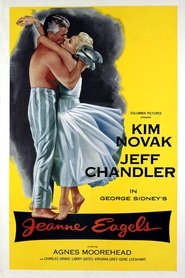
Jeanne Eagels
Self (uncredited)
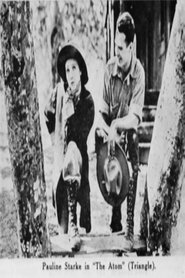
The Atom

The Curse of Iku
Allan Carroll / Allan Carroll III
Fear Not
Franklin Shirley

Wee Lady Betty
Roger O'Reilly
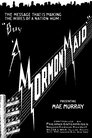
A Mormon Maid
Tom Rigdon
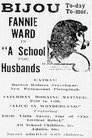
A School for Husbands
Hugh Aslam
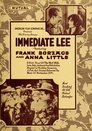
Immediate Lee
Immediate Lee

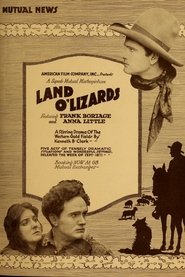
Land O' Lizards
The Stranger
Matchin' Jim
Matchin' Jim
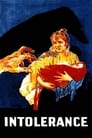
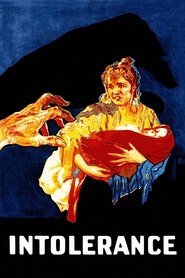
Intolerance: Love's Struggle Throughout the Ages
Extra (uncredited)
The Forgotten Prayer
Dan Page
Nell Dale's Men Folks
Zeb Dale
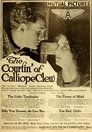
The Courtin' of Calliope Clew
Calliope Clew
That Gal of Burke's
Charles Percival
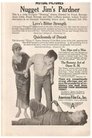
Nugget Jim's Pardner
Hal
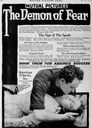
The Demon of Fear
Thomas Marsh
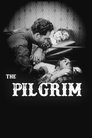
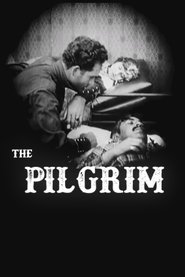
The Pilgrim
The Pilgrim
Jack
Jack
Unlucky Luke
Luke Drummond
Realization
A Flickering Light
Jim
Two Bits
James Hardeman
The Code of Honor
Lt. Bob Chase
The Cactus Blossom
Dave Foster
The Pitch o' Chance
Rocky Scott
The Clean-Up
George Prescott
Aloha Oe
Dr. John Hawley
Knight of the Trail
Bill Carey
The Hammer
Donald Barstow
The Secret of Lost River
Tom Hornby - Prospector
The Tavern Keeper's Son
Juan Capella
The Cup of Life
Dick Ralston
Molly of the Mountains
John Harlow
In the Switch Tower
Joel Wharton

The Mill by the Zuyder Zee
Dirk Brandt
The Girl Who Might Have Been
George Fowler
In the Land of the Otter
Joe Eagle
The Panther
David Brandt
A Crook's Sweetheart
The 'Dip'
The Desperado
The Typhoon
Renard Bernisky
Parson Larkin's Wife
Parson James Larkin
The Wrath of the Gods
Tom Wilson
Love's Western Flight
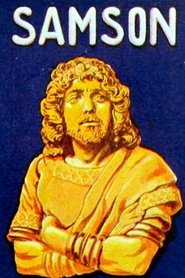
Samson
Bearded Philistine Extra (uncredited)
A Flash in the Dark
The Wheel of Life
In the Sage Brush Country
A Hopi Legend
A Cracksman Santa Claus
Retribution
The Days of '49
Ben
Loaded Dice
Silent Heroes
In the Toils
The Gratitude of Wanda
The Mystery of Yellow Aster Mine
Granddad
Mildred's Father
The Crimson Stain
The Drummer of the 8th
Jack Durand
When Lee Surrenders
On Secret Service