
Sohrab Modi
Directing
Sohrab Modi (1897–1984) was one of the towering figures of early Indian cinema—a director, producer, and actor whose work brought historical grandeur and social reform to the silver screen. Known for his booming voice and Shakespearean gravitas, he began his career in theatre and was deeply influenced by Parsi stage traditions. He founded Minerva Movietone in the 1930s, a studio that became synonymous with epic historical dramas and socially relevant films. Modi’s hallmark was his dedication to moral seriousness and elaborate period detail. His most celebrated works include Pukar (1939), Sikandar (1941), and Prithvi Vallabh (1943), films that combined visual splendor with stirring oratory and nationalist undercurrents. He was also a pioneer of courtroom and social dramas—Jhansi Ki Rani (1953), one of India’s first Technicolor films, and Ek Din Ka Sultan (1945) reflected his enduring interest in justice, reform, and strong historical women. Though later overshadowed by more contemporary styles of filmmaking, Sohrab Modi’s legacy remains vital. He helped define the moral and aesthetic vocabulary of early Indian cinema, and his work continues to be remembered for its theatrical eloquence, patriotism, and cultural pride.

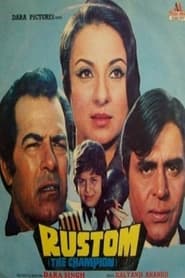

Rustom
Indian Talkie
Self
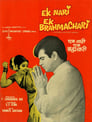
Ek Nari Ek Brahmachari
Raisaheb Surajbhan Chaudhary
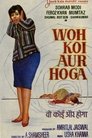
Woh Koi Aur Hoga
Professor

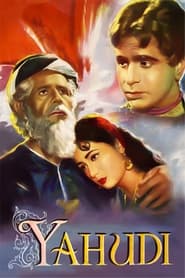
Yahudi
Ezra
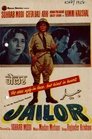
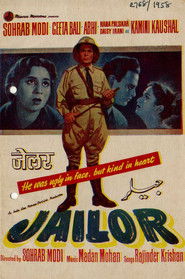
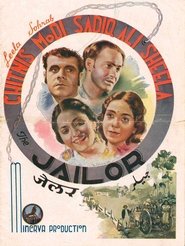
Jailor

Nausherwan-E-Adil
Sultan-e-Iran Nausherwan bin Kavad

Raj Hath

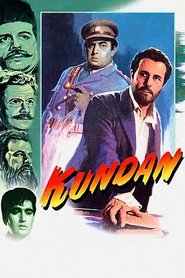
Kundan
Kundan
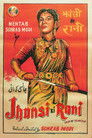
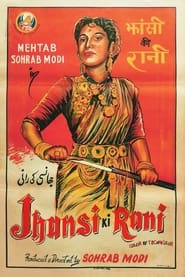
Jhansi Ki Rani
Raj Guru
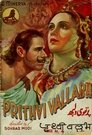
Prithvi Vallabh
Prithvi Vallabh
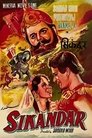
Sikandar
King Porus

Pukar
Sardar Sangram Singh

Meetha Zaher

Jailor

Khan Bahadur

Atma Tarang

Said-e-Havas

Khoon Ka Khoon
Hamlet