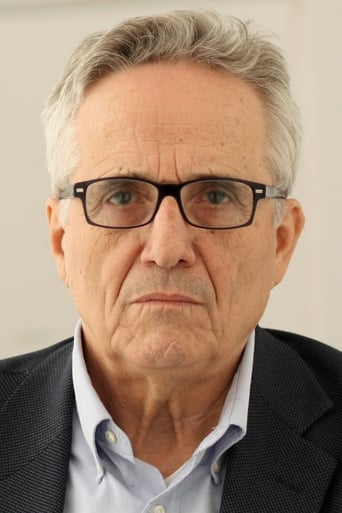
Marco Bellocchio
Directing
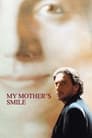
Marco Bellocchio (Italian: [ˈmarko belˈlɔkkjo]; born 9 November 1939; Bobbio) is an Italian film director, screenwriter, and actor. Born in Bobbio, near Piacenza, Marco Bellocchio had a strict Catholic upbringing – his father was a lawyer, his mother a schoolteacher. He began studying philosophy in Milan but then decided to enter film school, making his first film, Fists in the Pocket, (I pugni in tasca, winner of the Silver Sail at the 1965 Festival del film Locarno), funded by family members and shot on family property, in 1965. Bellocchio's films include China Is Near (1967), Sbatti il mostro in prima pagina (Slap the Monster on Page One) (1972), Nel Nome del Padre (In the name of the Father – a satire on a Catholic boarding school that shares affinities with Lindsay Anderson's If....) (1972), Victory March (1976), A Leap in the Dark (1980), Henry IV (1984), Devil in the Flesh (1986), and My Mother's Smile (2002), which told the story of a wealthy Italian artist, a 'default-Marxist and atheist', who suddenly discovers that the Vatican is proposing to make his detested mother a saint. In 1991 he won the Silver Bear – Special Jury Prize at the 41st Berlin International Film Festival for his film The Conviction. In 1995 he directed a documentary about the Red Brigades and the kidnapping and murder of Aldo Moro, titled Broken Dreams. In 2003, he directed a feature film on the same theme, Good Morning, Night. In 2006 his film The Wedding Director was screened in the Un Certain Regard section at the 2006 Cannes Film Festival. In 1999, he was awarded with an Honorable Prize for the contribution to cinema at the 21st Moscow International Film Festival. In 2009 he directed Vincere, which was in the main competition at the Cannes Film Festival. He finished Sorelle Mai, an experimental film that was shot over ten years with the students of six separate workshops playing themselves. He was awarded with the Golden Lion for Lifetime Achievement at the 68th Venice International Film Festival in September 2011. His 2012 film Dormant Beauty was selected to compete for the Golden Lion at the 69th Venice International Film Festival.[6] On 6 September 2012, Bellocchio condemned the Catholic Church's interference in politics after the premiere of his controversial film about a high-profile euthanasia case. The film approaches the topic of euthanasia and the difficulty with legislation on end of life in Italy, which has Vatican City within its borders. The subject is inspired by Eluana Englaro's case. Following the decision of the jury of the Venice Film Festival, which excluded the film from the Golden Lion, Bellocchio has expressed strong criticism against President Michael Mann.

La nostra magnifica ossessione - Bernardo Bertolucci e la sua generazione
Volonté: The Man of a Thousand Faces
Self
Raffa
Self

Lo Spazio Inquieto
Behind the Scenes: The Traitor
Himself
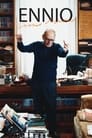
Ennio
Self
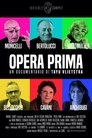
Opera Prima
Self
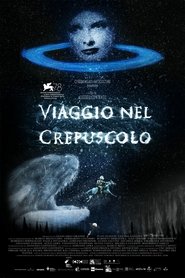
Journey into the Twilight
Self

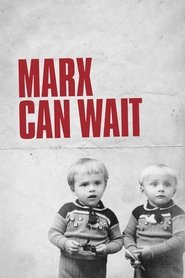
Marx Can Wait
Self
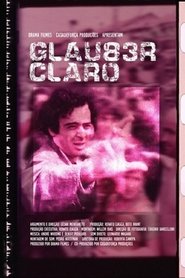
Glauber, Claro
Self
Colpiti al cuore
Self

La mia casa e i miei coinquilini - Il lungo viaggio di Joyce Lussu
Filmstudio, mon amour
Sé stesso
Tutte le storie di Piera
Cinema Italiano: Moments of Truth
Self
Mother
Lino Micciché, mio padre - Una visione del mondo
Self
Caro Paolo

Voi siete qui
Self
What Do You Know About Me
Self
Franco Cristaldi e il suo cinema Paradiso
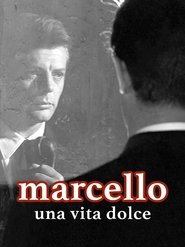
Marcello, una vita dolce
Self
Filmmakers vs. Tycoons
Self
A Need for Change: The Making of 'Fists in the Pocket'
Slef
Behind Love and Anger
Self - Director (segment "Discutiamo, discutiamo")
I nostri trent'anni - Generazioni a confronto
Self
Same rage, same spring
Himself
Cesare Zavattini
Self
My Mother's Smile
A un millimetro dal cuore
My Name Is Anna Magnani
Self
Vacation in Val Trebbia
Il marito
The Seagull
Fit to Be Untied
Himself (uncredited)
Tutto in comune
Slap the Monster on Page One
Compagno che incita alla calma (uncredited)
Planet Venus
N.P. - The Secret
Predicatore (voce)
Love and Anger
Lecturer (segment "Discutiamo, discutiamo")
Cinéma et Réalité
Self
Francis of Assisi
Pietro di Stacia